
10 Fun Chinese Literacy Activities Kids Actually Enjoy
I used to dread Chinese character practice with my daughter. The moment I brought out flashcards or writing sheets, she would groan, wiggle, or run away. I knew forcing it wouldn’t work—but I also didn’t want her to miss out on learning characters.
That’s when I started trying fun Chinese literacy activities instead. To my surprise, the groans turned into giggles. We weren’t just “learning”—we were playing. Over time, she started recognizing characters on her own and even writing some without me asking.
In this post, I’ll share 10 Chinese literacy activities and simple games that actually worked for us at home. They’re easy to set up, kid-approved, and perfect for making Mandarin feel less like homework and more like play.
1. Playdough Chinese Characters: Hands-On Literacy Fun
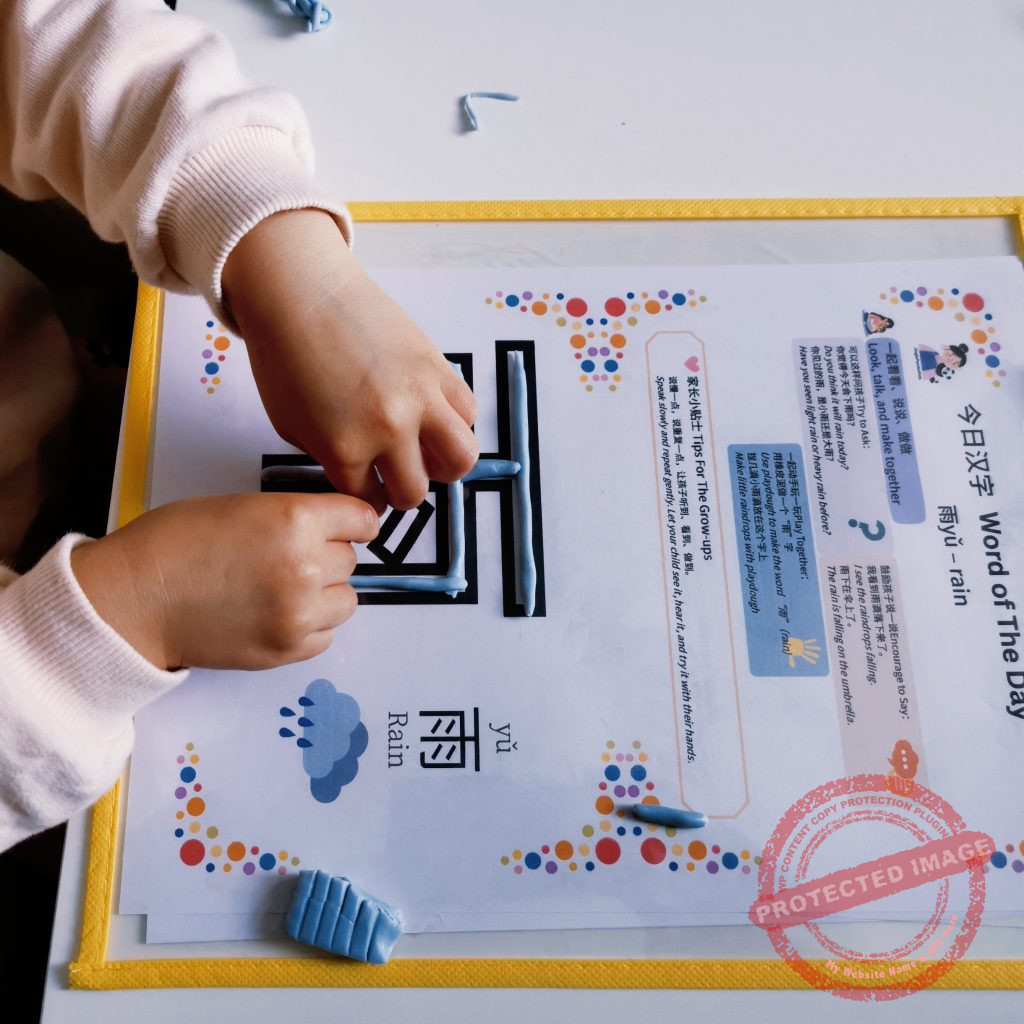
Kids love squishing playdough. Roll it into strokes and piece them together to form characters. Start with simple ones like 大, 人, or 山. It builds muscle memory for stroke order without even holding a pencil.
2. Chinese Character Bowling: A Literacy Game with Energy
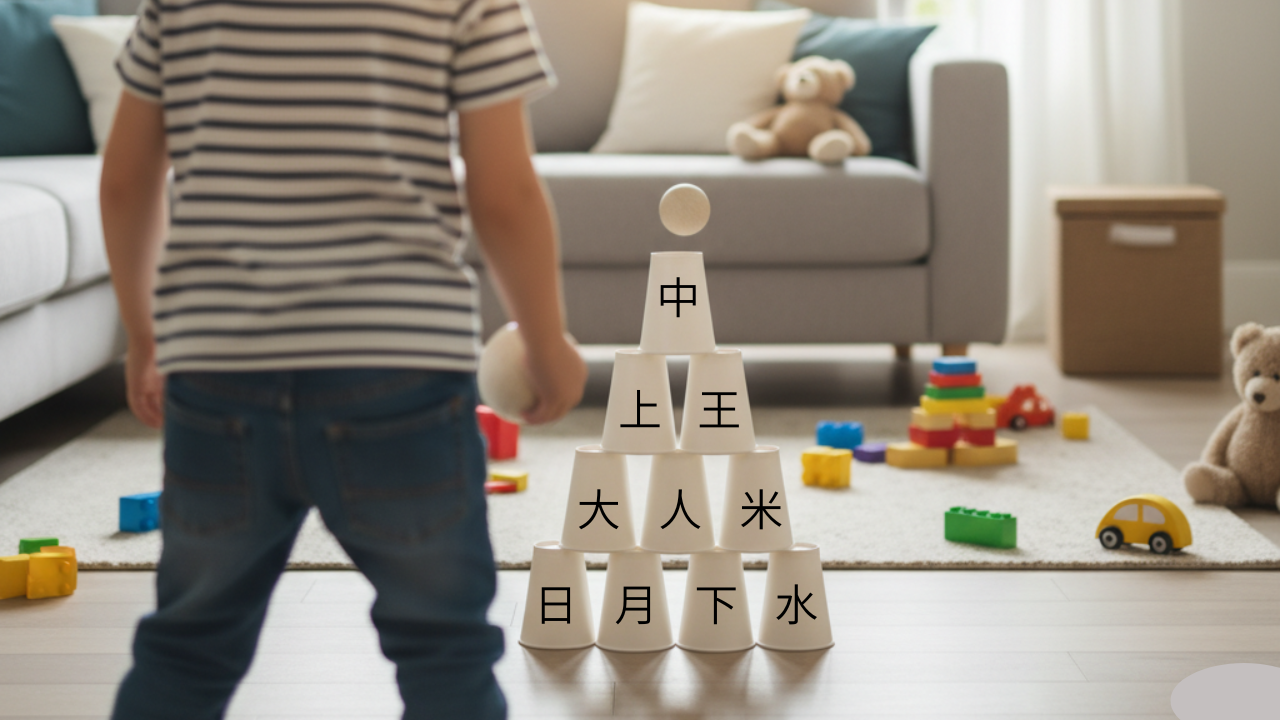
Write characters on paper cups. Stack them up like bowling pins. Call out a character, then have your child roll a ball to knock it down. They’ll cheer while learning to recognize words.
3. Sticker Character Mosaic: Creative Chinese Literacy Practice
Turn character learning into an art project! Print or lightly outline a large Chinese character on sturdy paper.
Give your child sheets of small round or square stickers, and let them fill the entire shape with stickers—like a colorful mosaic.This playful activity strengthens fine motor skills, teaches character structure, and helps kids remember stroke direction without writing drills.
4. Magic Character Reveal: Literacy with a Surprise
Use white crayon to write a character on paper. Let your child paint over it with watercolor. The hidden character “magically” appears—instant excitement, plus reinforcement of recognition.
5. Drawing Around Characters: Turning Literacy into Art
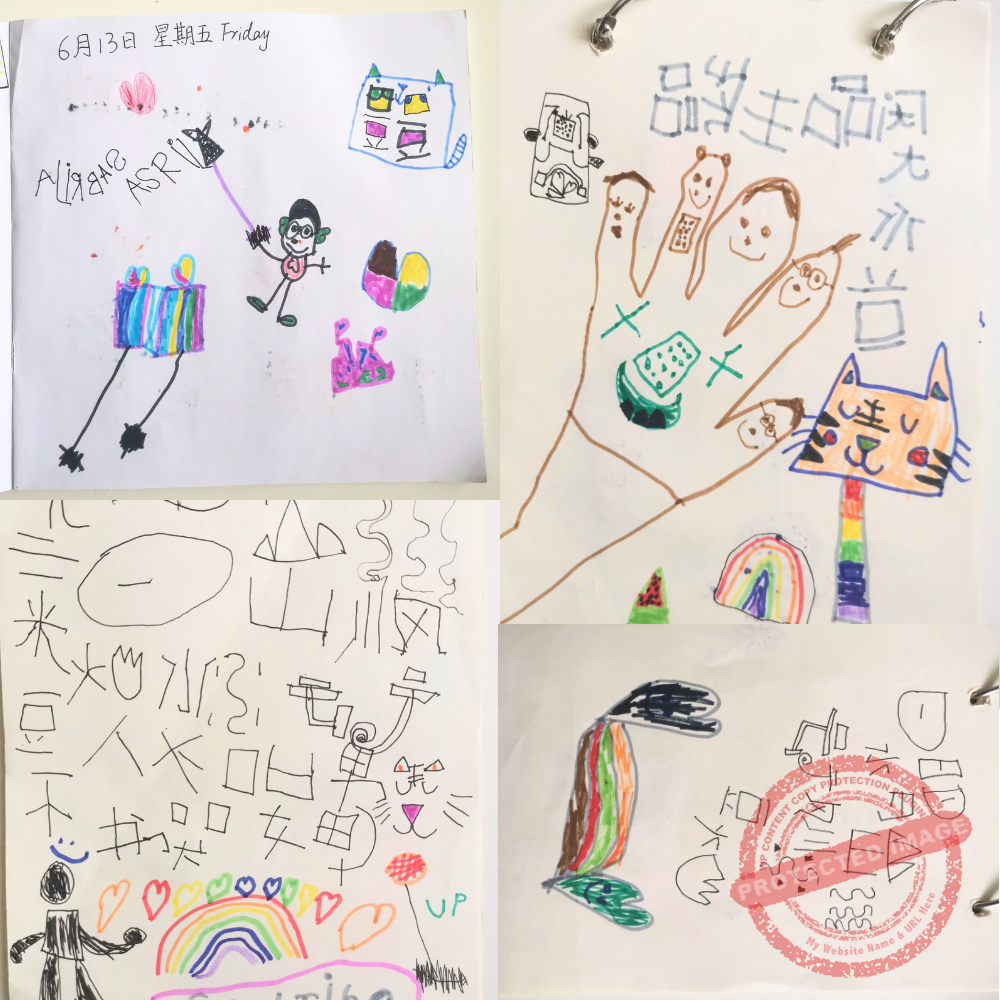
Print some characters (please print it large), let your child pick their favourite character, and let your child create a drawing around it. For example, if the word is “鱼” (fish), they might turn it into an underwater scene. Characters become art, not just homework.
6. Character Hunt at Home: Everyday Chinese Literacy Activity
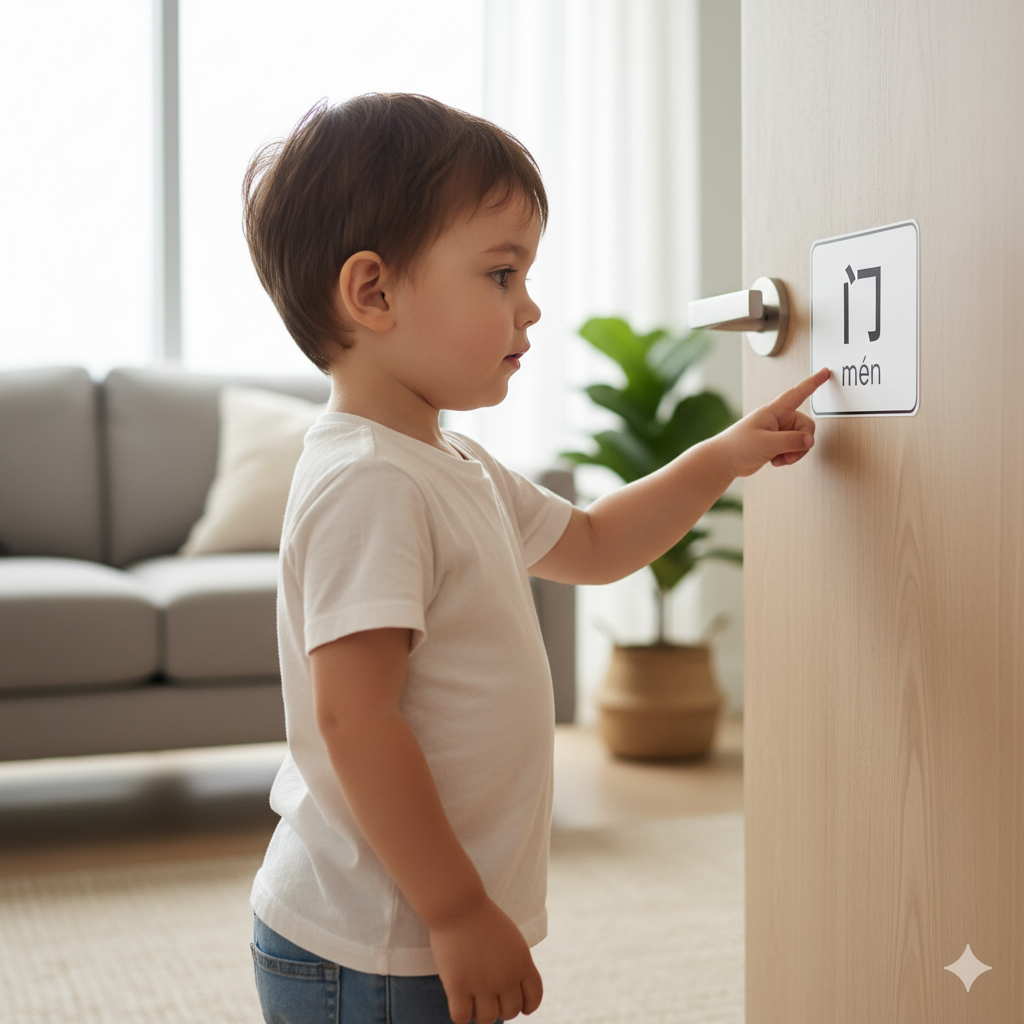
Label everyday items in your home (门 door, 桌子 table, 水 cup). Choose one area, and invite your child to find all the characters on their list. It’s like a scavenger hunt, and it connects Chinese with real life.
7. Hide-and-Seek with Characters: Sensory Chinese Literacy Game
Fill a container with rice, beans, or pasta. Hide laminated character cards inside. Give your child a checklist, and let them dig around to “discover” the characters.
8. Object + Character Match: Real-Life Literacy Connections
Gather small toys or household items (like a toy car, shoe, apple). Place matching character cards nearby. Kids match the word card with the object—great for toddlers or early learners.
9. Character Maze: Move and Learn Literacy Challenge
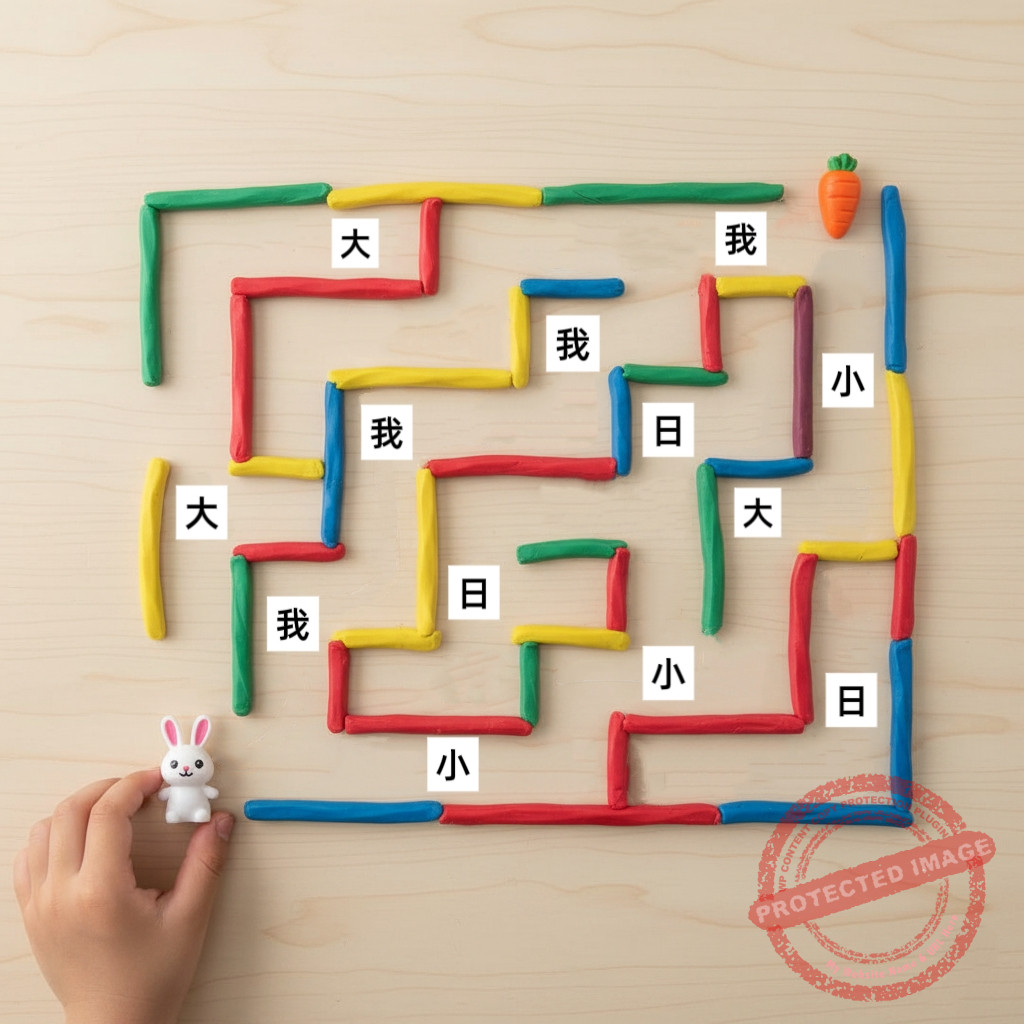
Draw a simple maze on paper or use play dough to build a simple maze with different characters along the path. To escape, your child must “step” only on the target character. Fun challenge + repetition = retention.
10. Hopscotch Characters: Active Literacy Play
Bring characters outside (or into a big hallway) for a full-body game. Use sidewalk chalk or painter’s tape to create giant hopscotch squares. Write or tape large characters inside each square. Call out a character, and let your child jump to the matching square—shouting the word as they land. It’s energetic, great for review, and perfect for kids who learn best by moving.
Your Own Twist!
Not every child responds to the same activity. Let your child invent their own “rules” with characters. Maybe they want to jump on flashcards, or sort words by color. The key is: when kids co-create the activity, engagement skyrockets.
Key Takeaways from These Chinese Literacy Activities
- Fun comes first—kids learn better when they’re laughing and moving.
- Chinese literacy activities that mix reading, writing, and play build confidence naturally.
- You don’t need special resources; many of these Mandarin-at-home games use items you already have.
- The goal isn’t perfection, but making Chinese characters feel approachable and joyful.
Try This Next
- Check out my Bilingual Tips collection for more ways to make Mandarin fun.
- Explore our Bilingual Parenting Q&A page for answers to common parent struggles.
- Download free Chinese Literacy Play Cards to use these games at home.
- Download a Free Chinese Literacy Game Checklist.
- Share which activity worked best for your child in the comments.
