
Balanced Bilingual Parenting: How to Balance Mandarin and English at Home
If you’re raising children in an English-dominant country, you’ve probably felt the pressure: “How do I make sure my child master both Mandarin and English well?” On top of schoolwork, after-school activities, and everyday routines, finding time for two languages can feel impossible.
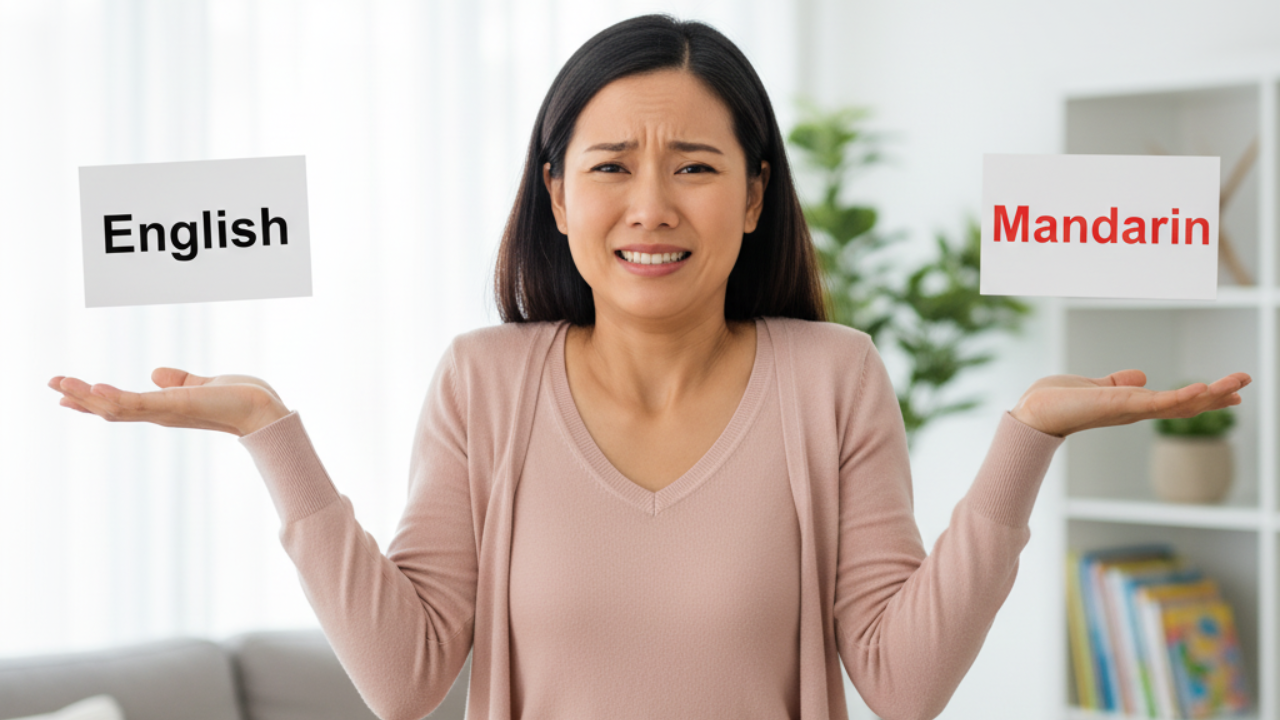
I’ve been there too. My child spends most of the day in English at school. By the time we get home, there’s only so much time and energy left—and I find myself torn between reinforcing English skills or making sure Mandarin doesn’t get left behind.
The truth is, balancing Mandarin and English doesn’t mean dividing time 50/50. It’s about finding a rhythm that works for your family, building confidence in both languages without unnecessary pressure.
Why Balancing Mandarin and English Feels Hard
Most bilingual families face the same struggle: English surrounds us everywhere, while Mandarin depends almost entirely on what we create at home. Parents often ask, “Am I doing enough?”
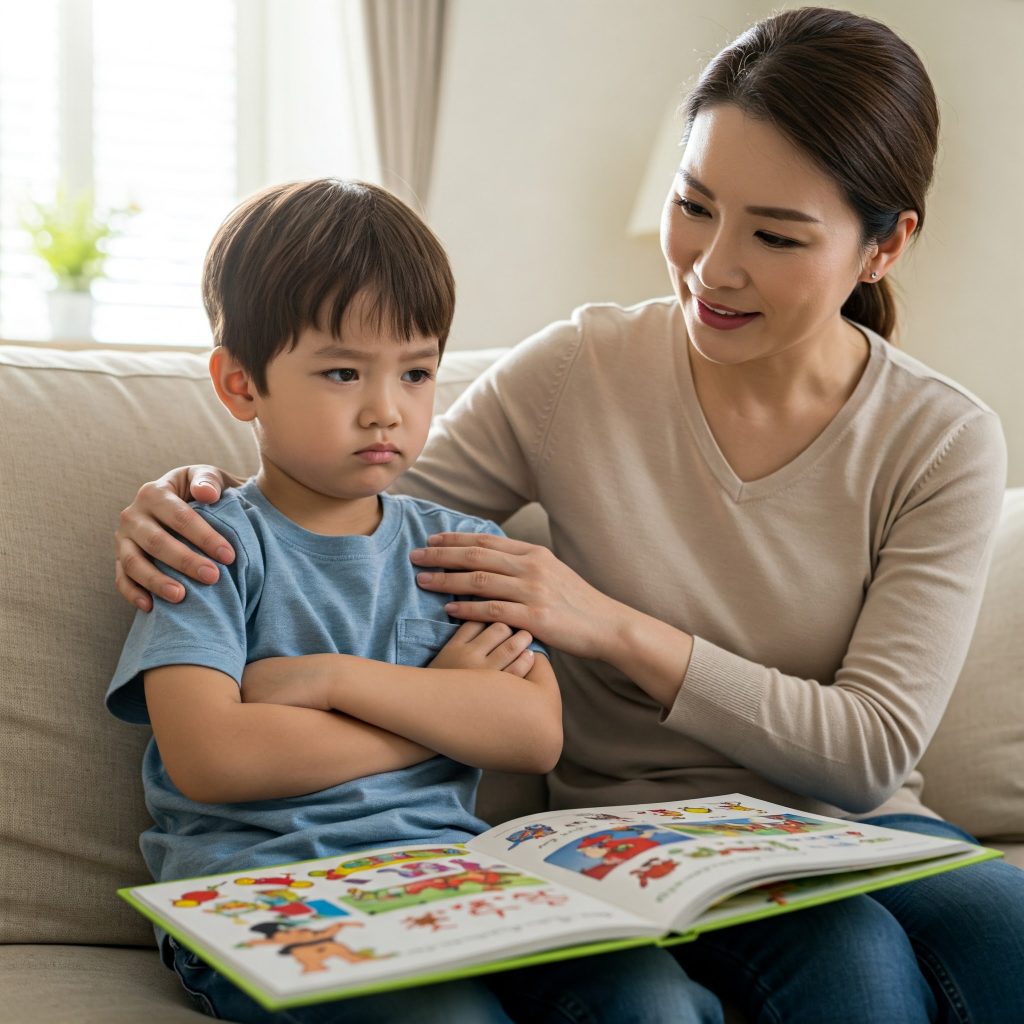
Here’s what I’ve learned:
- Energy matters. After school, kids are often tired, and forcing long study sessions only creates resistance.
- Kids will naturally lean toward the majority language (English). That’s not a failure—it’s expected.
- Time is limited. Trying to fit in two “full” literacy curriculums every day is not realistic.
Balancing Mandarin and English doesn’t mean perfection. It means making both languages a natural, enjoyable and consistent part of everyday life.
What “Balanced Bilingual” Really Means
When we hear “balanced bilingual,” we often imagine a child reading Shakespeare in English and Confucius in Mandarin—with equal fluency. That’s not realistic, especially in overseas contexts.
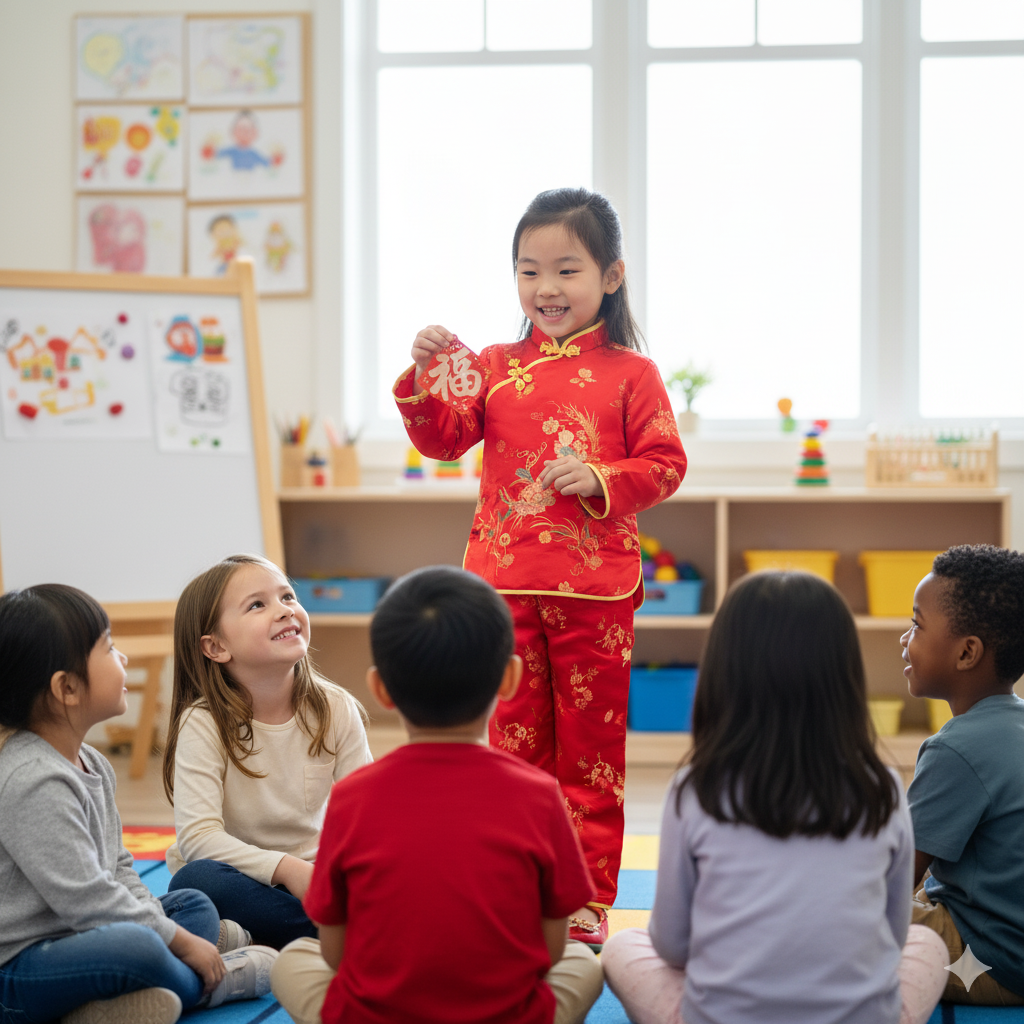
A balanced bilingual child is not someone with perfectly equal skills in both languages. Instead, it’s a child who:
- Sees languages not as chores, but as tools to connect with family, school, and the world
- Can use both languages confidently in age-appropriate contexts
- Feels that Mandarin and English are both valuable parts of their identity
For overseas children, it’s normal for English to be stronger. Mandarin can be maintained as a home language, enriched through family traditions, stories, and daily activities.
Balanced bilingualism is not about comparing your child to domestic peers in China. It’s about finding the right balance for your family’s life abroad.
Practical Strategies to Balance Mandarin and English at Home
1. Shared Daily Reading Time in Both Languages
One of the simplest and most powerful routines is shared reading. In our home, we have a practice: one English book and one Mandarin book each night.
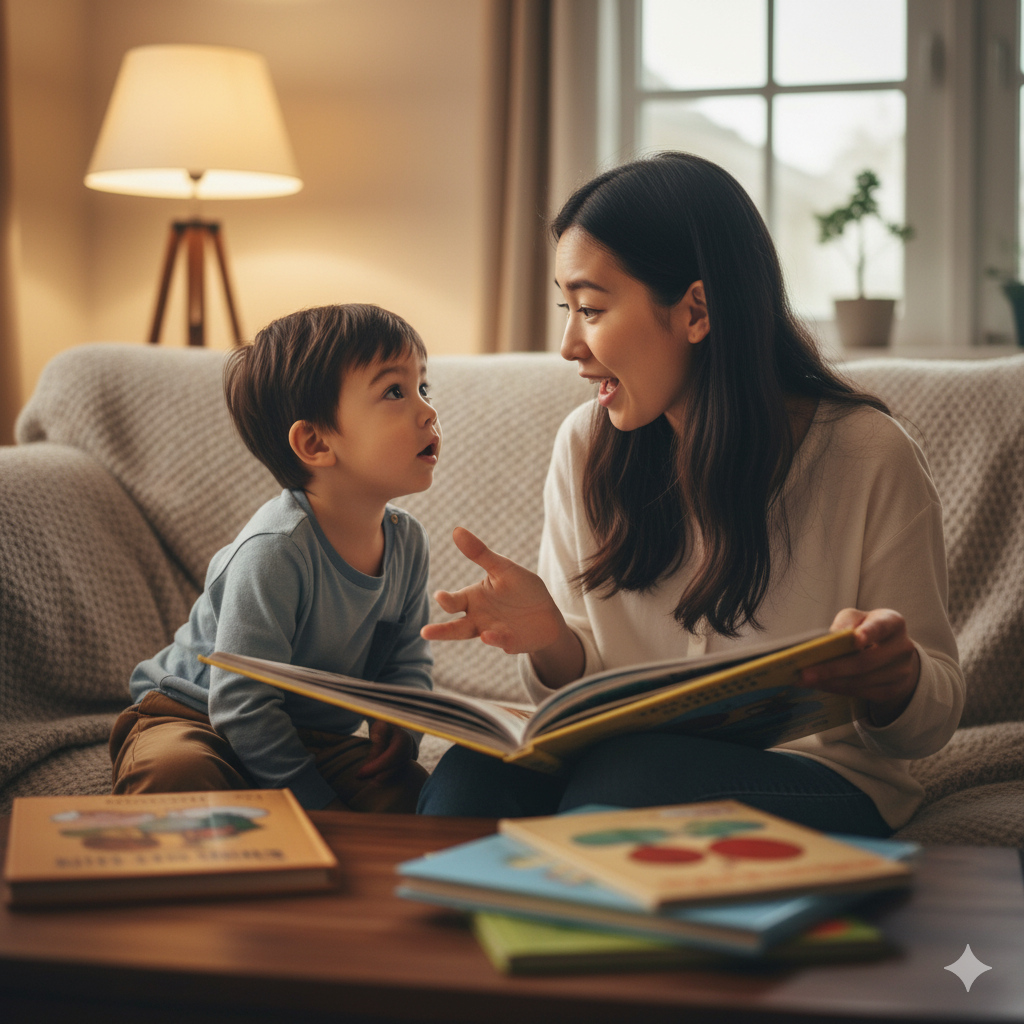
Sometimes we blur the lines:
- When reading a Mandarin book, I’ll allow my child to retell part of the story in English, reinforcing comprehension.
- When reading an English picture book, I’ll occasionally add Mandarin comments, especially for words my child already knows in English.
This back-and-forth helps children see connections between languages rather than separating them into rigid boxes.
2. Use Bilingual Word Cards and Labels
Bilingual word cards are small, but powerful tools. We use them in two ways:
- Around the house: labeling doors, tables, and everyday items with both Mandarin and English. Kids start recognizing characters naturally, without “study time.”
- Play-based learning: turning cards into memory games, scavenger hunts, or matching exercises.
For beginners, bilingual labels connect real-life objects with both languages. For older kids, they strengthen recognition and spelling.
3. Mix Languages in Conversations
In many bilingual homes, “code-switching” (switching between languages) happens naturally. Instead of fighting it, I use it as a strategy.
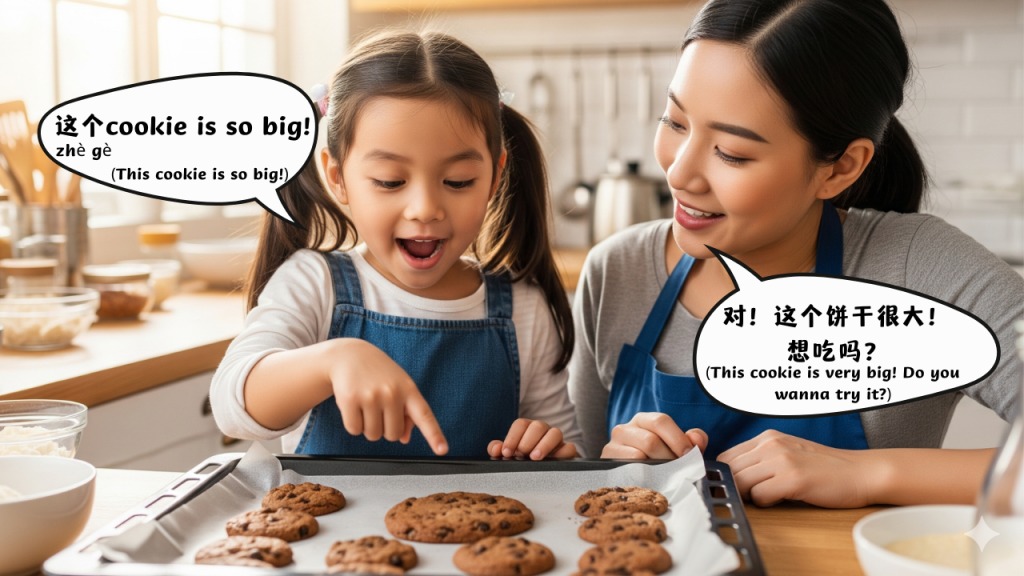
- I might ask a question in Mandarin. My child answers in English. I then gently model the Mandarin version of their answer.
- At the dinner table, we sometimes retell a funny school moment first in English, then add key Mandarin phrases.
This way, children don’t feel pressured to perform perfectly in one language. Instead, they learn flexibility and comfort with both.
4. Connect Learning with Daily Life
Mandarin and English shouldn’t just live in books—they need to show up in real life.
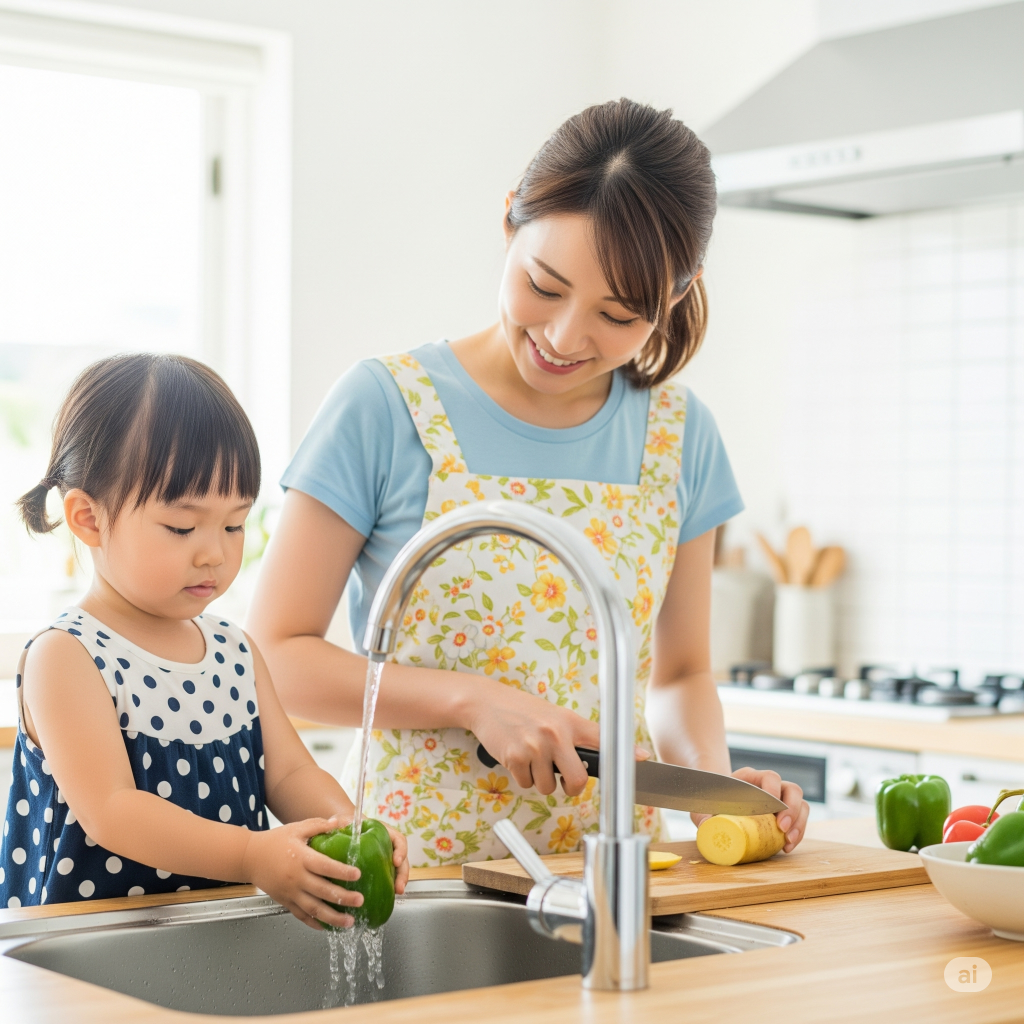
- While cooking, I’ll count vegetables in Mandarin, then let my child describe the recipe steps in English.
- On walks, we’ll read English signs but jot down Mandarin translations on a notepad.
- For holidays, we use Mandarin vocabulary for traditions, but my child may explain them in English to friends.
Everyday bilingual touchpoints make both languages relevant and alive.
5. Play Small, Themed Literacy Activities
Kids learn best through play. That’s why I created themed activities (like our Spring Mung Bean Sprout Toolkit, Mandarin Parent-child Science Packs, Summer Toolkit, Weather Toolkit and etc.) that weave characters and writing into games.
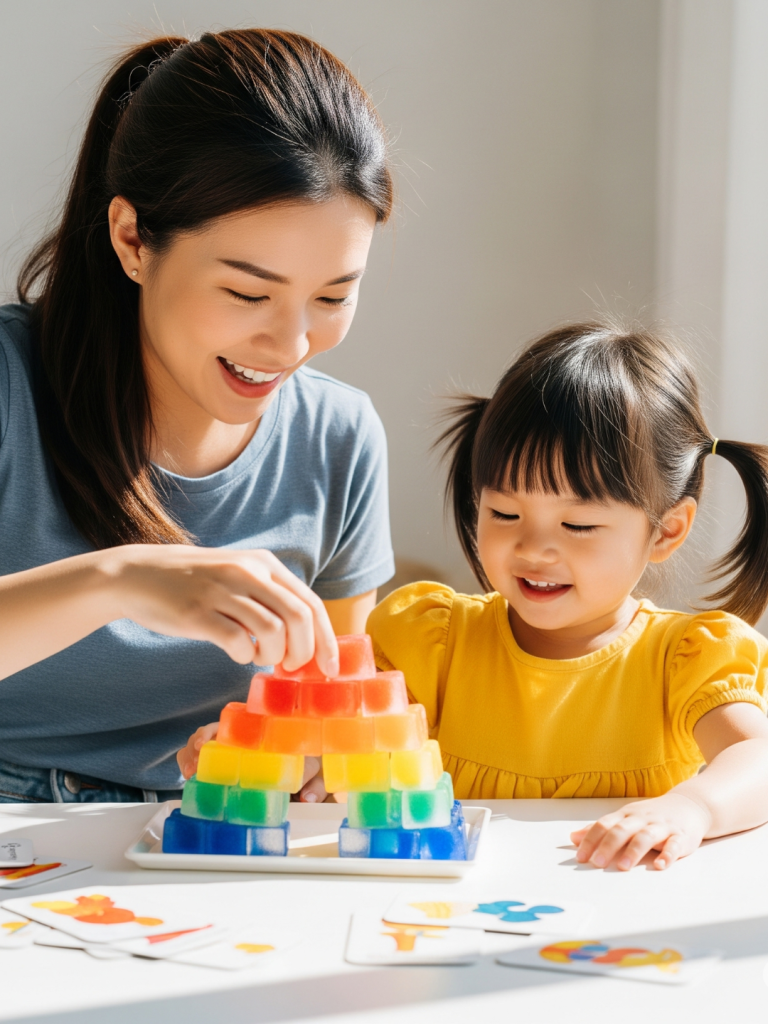
Examples include:
- Using playdough to build simple characters like 日 or 月
- Labeling weather icons with Chinese words during a craft project
- Explore daily science fun at home in Mandarin
These mini-games don’t require special materials, but they add fun and variety to literacy practice.
Shifting Expectations as a Parent
One of the hardest lessons I had to learn was letting go of comparison.
Yes, you’ll hear about children who can read 500 characters, even 1000 characters before age 5. But that doesn’t define your child’s bilingual success—especially if you’re raising them outside China.
Balanced bilingual parenting means:
- Prioritizing consistency and joy over intensity and competition
- Accepting that English will often be stronger in an English-dominant environment
- Valuing Mandarin not by numbers of characters, but by its role in your child’s identity and family bonds
Your child doesn’t need to be perfectly equal in both languages. They need to feel supported, encouraged, and proud of being bilingual.
Key Takeaways for Parents
- Balancing Mandarin and English is not about 50/50 time, but finding daily touchpoints that feel natural.
- Reading, word cards, conversations, and small activities all count.
- Joy and consistency matter more than strict drills.
- Bilingualism looks different in every family—define balance on your own terms.
Try This Next
- Explore my Bilingual Tips collection for more ways to make Mandarin fun.
- Check out our Bilingual Fun Learning Youtube Channel for bilingual nursery rhymes and interactive games.
- Download Free Bilingual Parenting Printables to bring these ideas into your home.
- Curious about themed literacy games? Stay tuned for our Mandarin Moments™️: Thematic Language Packs designed for busy bilingual families.
