
Can I Raise a Bilingual Child If My Chinese Isn’t Perfect?
Raise a Bilingual Child Even Without Fluent Chinese: Is It Possible?

Can you raise a bilingual child without fluent Chinese? Absolutely!
Fluency isn’t a requirement—consistency, connection, and creativity are the true keys.
Raising a bilingual child may feel intimidating, especially if you’re not fully fluent in the target language. But here’s the truth: your child can still learn Chinese well—even if you’re not a native speaker. In this post, we’ll show you how to create a supportive language environment, grow alongside your child, and embrace the beauty of bilingual parenting—imperfections and all.
It’s Not About Perfect Chinese — It’s About a Supportive Environment
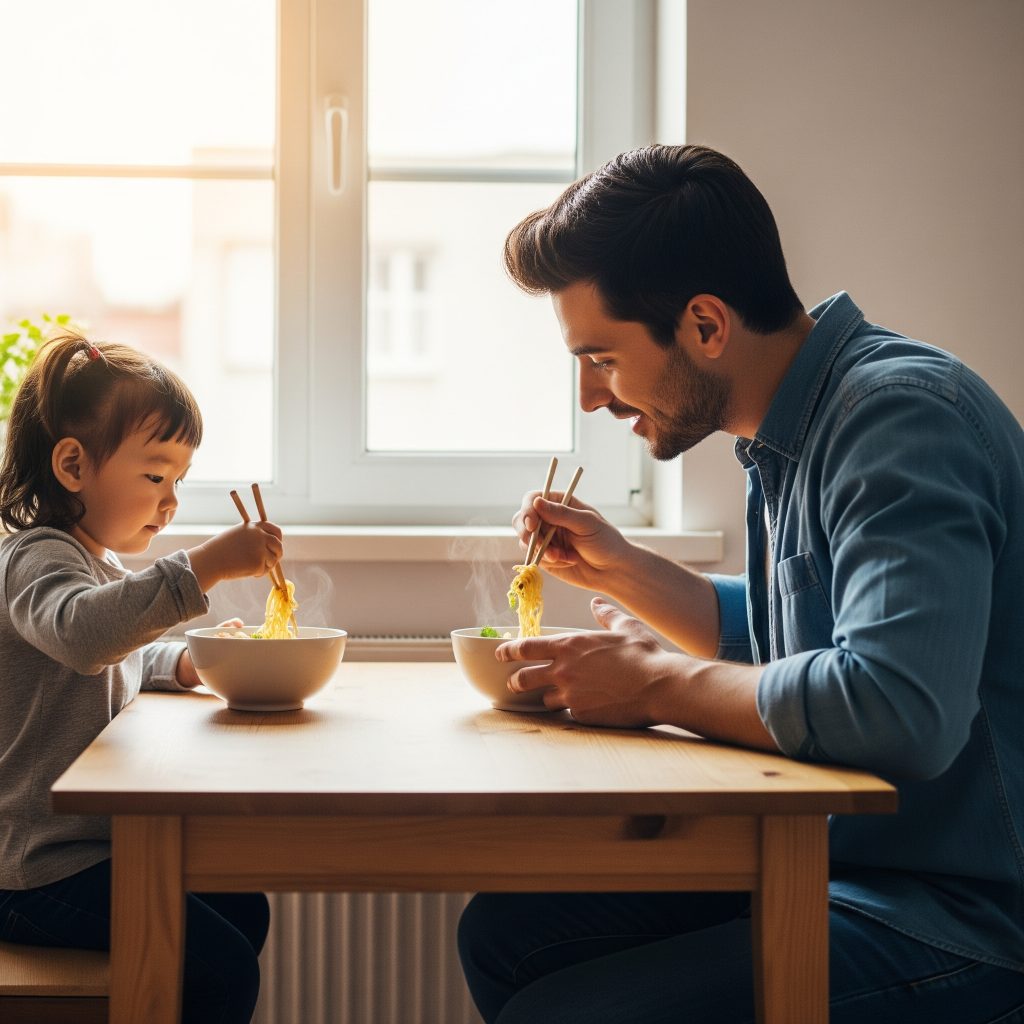
You don’t have to be a fluent speaker to raise a bilingual child. In fact, language acquisition depends more on consistent exposure and emotional connection than on flawless grammar.
Research in Natural Language Acquisition (NLA) and bilingual education shows that children can learn two (or more) languages effectively when:
- They hear the language regularly
- They see meaningful use of the language
- They feel emotionally connected through it
So instead of worrying about mistakes, focus on daily moments of interaction—those storytimes, snack chats, bath-time songs, and bedtime hugs that make language come alive.
Tip: Don’t aim for perfection. Aim for connection.
Learn With Your Child — The Power of “Co-Learning”
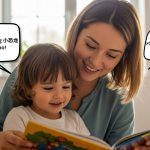
If you’re not a fluent Chinese speaker, think of yourself as a language learning partner rather than a teacher. This is what we call the “co-learning model”:
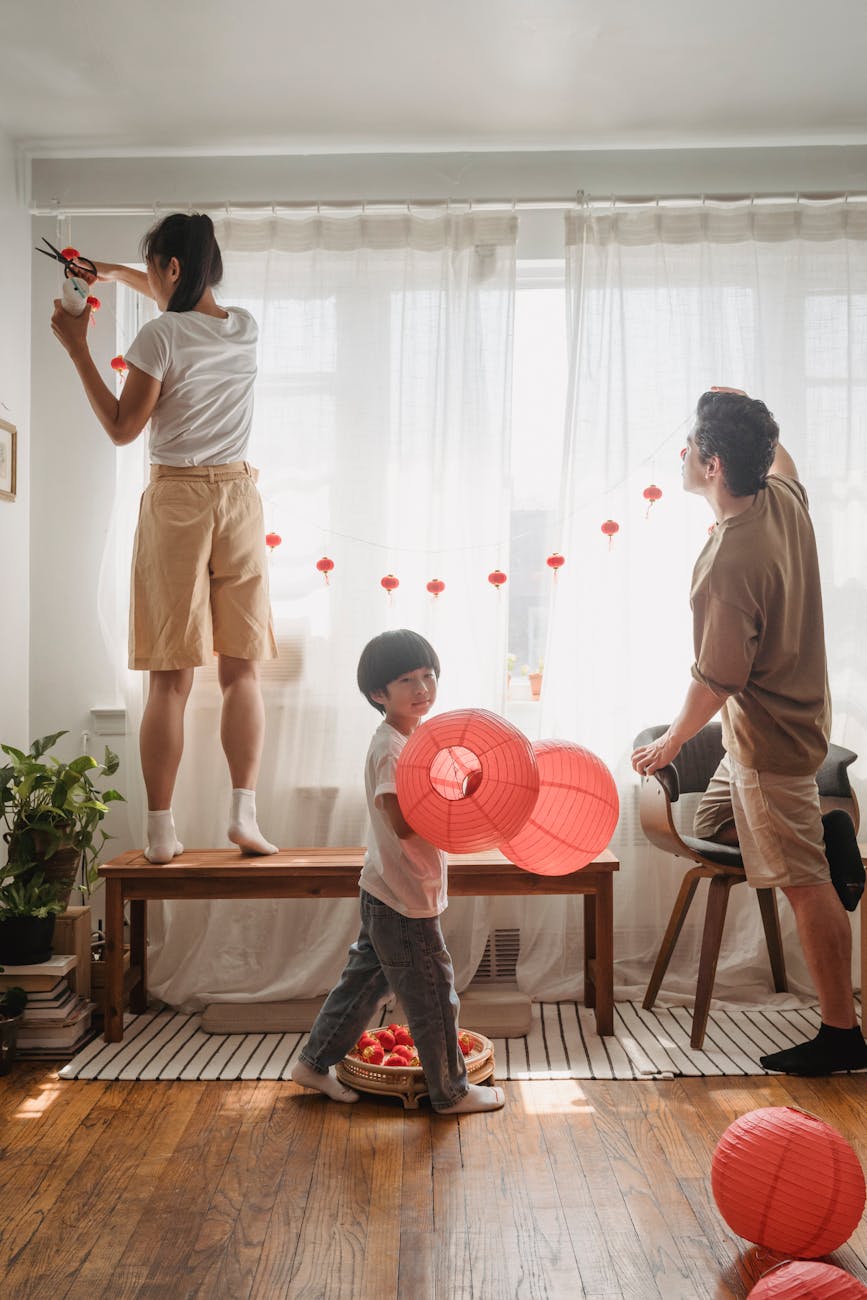
Why co-learning works:
- It reduces pressure on both parent and child
- It builds mutual motivation
- It models a growth mindset — showing that language can be learned at any age!
Real-life example:
Instead of saying, “I have to teach my child Chinese,” say:
“Let’s learn together!”
“Let’s find out what that character means.”
“I’m learning how to say this too!”
This shifts the tone from obligation to exploration.
Tools to Support Your Bilingual Journey
Even if you’re not fluent, it’s still possible to raise a bilingual child with confidence.There are so many resources to support you—and many are designed for non-fluent parents!
Top tools to try (for ages 7 and under):
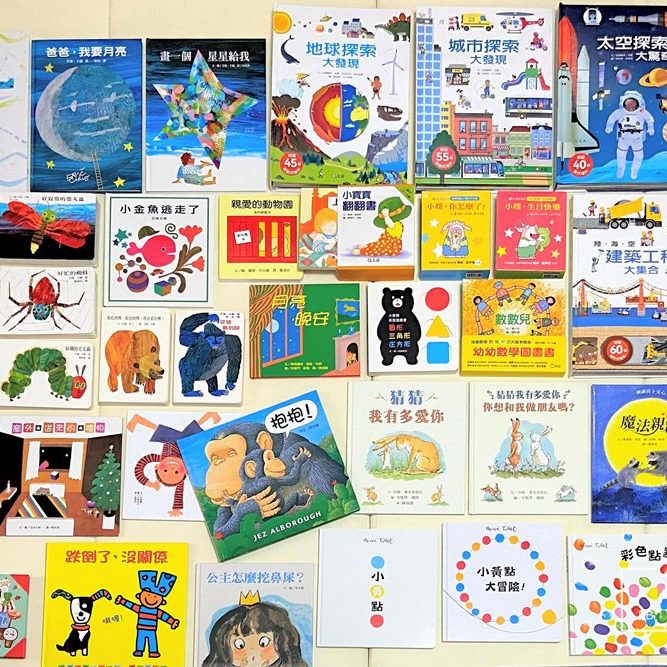
- Reading Pens: Great for word recognition + pronunciation.
- Bilingual Picture Books with Audio: Looking for books with read-loud QR codes or companion videos. Listening to native pronunciation helps reinforce both your learning and your child’s.
- Baby Bus App:
A fun and interactive app packed with songs, stories, and games in Chinese. Perfect for toddlers and preschoolers learning basic vocabulary in an immersive way.

- Your Own Voice + Daily Routines:
You are your child’s best learning partner. Pair simple words or phrases with everyday actions, like brushing teeth or packing toys—no fancy tech required. - YouTube Channels & Cartoons: Looking for high-quality Chinese content with subtitles and slow, clear speech. You can also explore our own curated Kids’ Video Library
Remember: These tools are here to support—not replace—you. Your daily presence and encouragement are what make bilingual learning truly stick.
Still have no idea where to start? Want a simple and FREE roadmap? ☞ Check out our 9-step bilingual parenting guide
Try These Simple Parent-Child Phrases
You don’t need advanced grammar to start using Chinese at home. Here are a few everyday parent-child conversation starters to build your child’s exposure—and your confidence.
- Let’s read a book. 我们来读一本书吧。Wǒ men lái dú yì běn shū ba.
- Time to brush your teeth! 该刷牙了!Gāi shuā yá le!
- Wow, you did a great job! 哇,你做得真棒!Wā, nǐ zuò de zhēn bàng!
- Want to sing together? 我们一起唱歌吧?Wǒ men yì qǐ chàng gē ba?
Need more? Download our free Parent-Child Conversation Prompts printable to get started!
From Non-Fluent to Confident: Real-Life Story of Raising a Bilingual Child
Meet a friend of mine — a second-generation Chinese immigrant living in the UK.
She moved from China to the UK with her family at the age of 16. At home, she mainly spoke Cantonese with her parents. As she adapted to life in the UK, her daily environment gradually shifted to English and Cantonese. Mandarin (Putonghua) slowly faded from her life.
Years later, when she became a mother, she deeply wanted her child to learn Mandarin. But she hesitated.
“My Mandarin was rusty, and I was afraid of passing on the wrong pronunciation,” she told me.
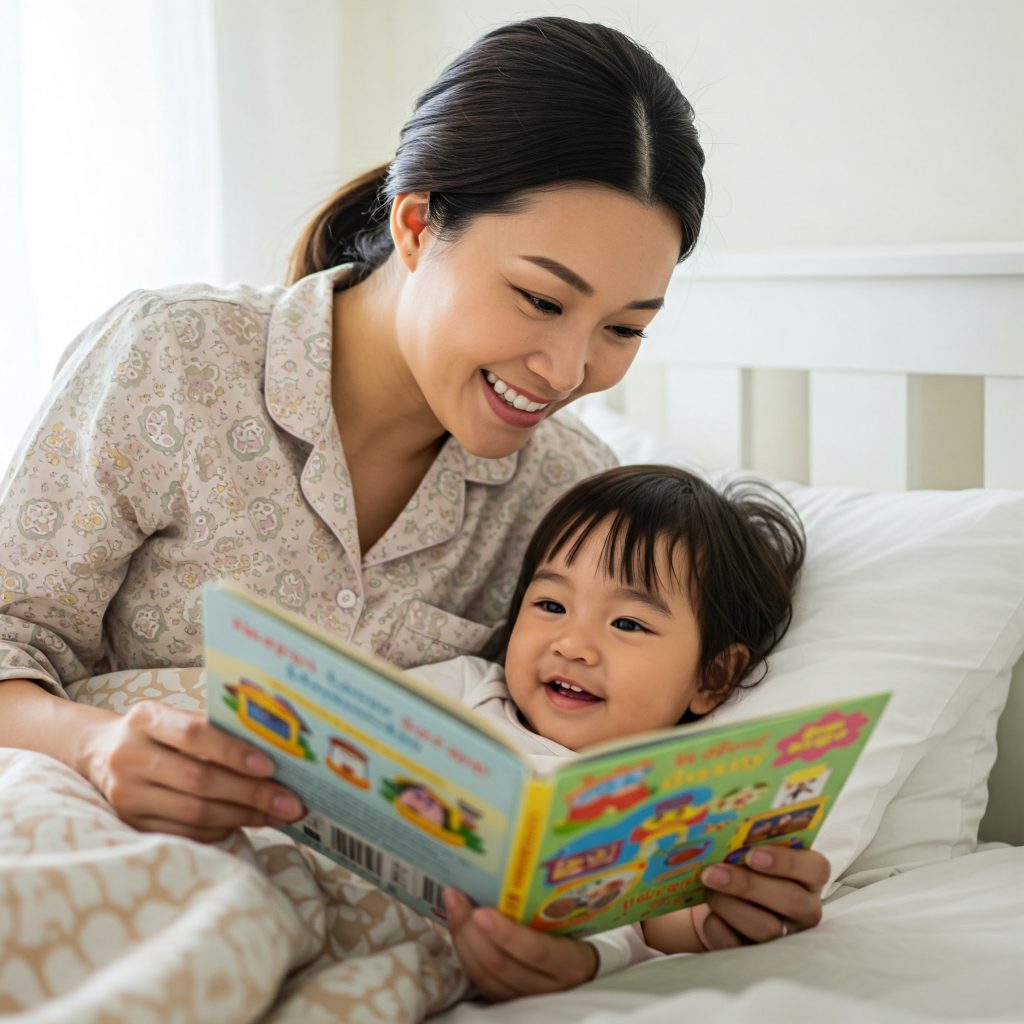
But instead of giving up, she chose a new path: learning alongside her child.
She started watching Disney movies in Mandarin with Mandarin subtitles. She played Mandarin nursery rhymes at home and repeated them with her child. Slowly but surely, Mandarin became part of their daily routine.
Now, her child speaks both Cantonese and Mandarin with ease, and more importantly — with joy and confidence.
“I realised it’s not about being perfect. It’s about showing up and growing together.”
Her story is proof: You don’t have to be fluent to raise a bilingual child. What matters most is your intention, consistency, and willingness to learn together.
Final Thoughts: You’re Enough.
If you’re wondering, “Can I really raise a bilingual child without fluent Chinese?” — the answer is YES and you’re NOT ALONE.
You don’t need perfect Chinese to raise a bilingual child. What matters most is Your love, your presence, and your willingness to try. They are the most powerful tools in your child’s bilingual journey. Mistakes will happen, but they’re just part of learning—for both of you.
More Tips On Bilingual Parenting





Leave a Reply