
Why Kids Mix Languages (and How to Respond in Mandarin)
Have you ever wondered why your child mixes languages, like he/she starts a sentence in Mandarin but finishes it in English?
It can feel confusing—even worrying—for parents who want their child to grow up truly bilingual. Does mixing mean they’re struggling? Will it hurt their Mandarin?
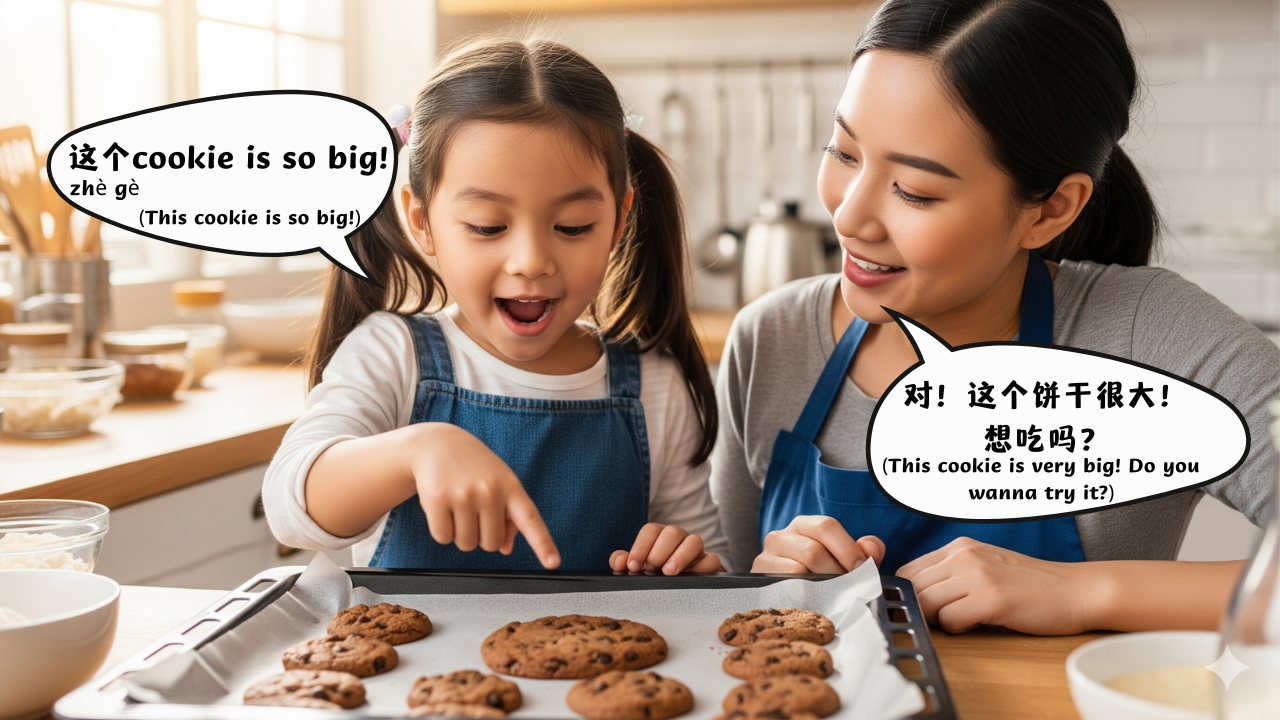
Here’s the reassuring truth: why kids mix languages has a simple answer — it’s a normal and healthy part of bilingual development. By learning why kids mix languages and how to respond in Mandarin, you can feel confident guiding your child toward stronger bilingual skills without stress.
Why Kids Mix Languages (and What It Really Means)
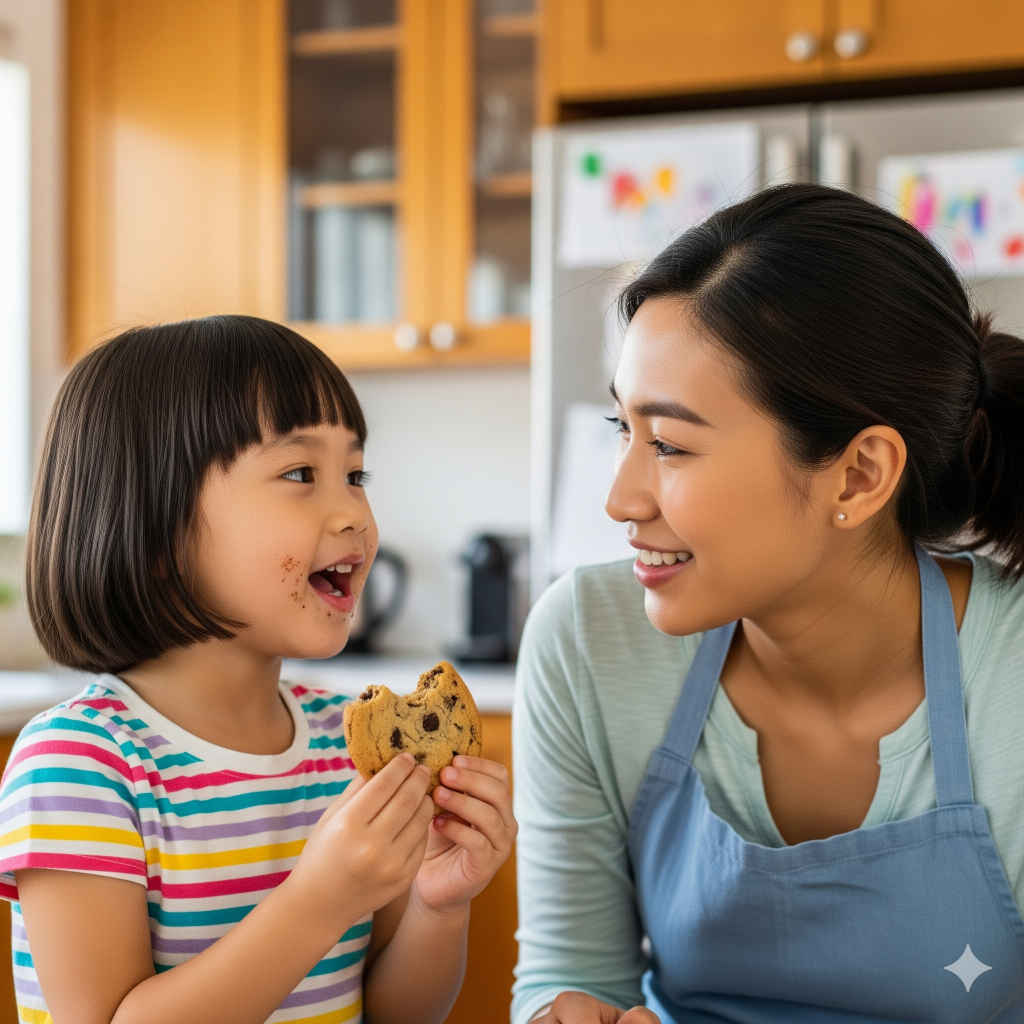
- Vocabulary gaps are normal.
A child may know the word in one language but not the other, so they fill in the gap. For example: “我喜欢吃cookie.” or “I like to eat 这个 cookie.” or “饼干yummy!” - Efficiency matters to kids.
Children often choose the word that comes fastest, no matter the language.
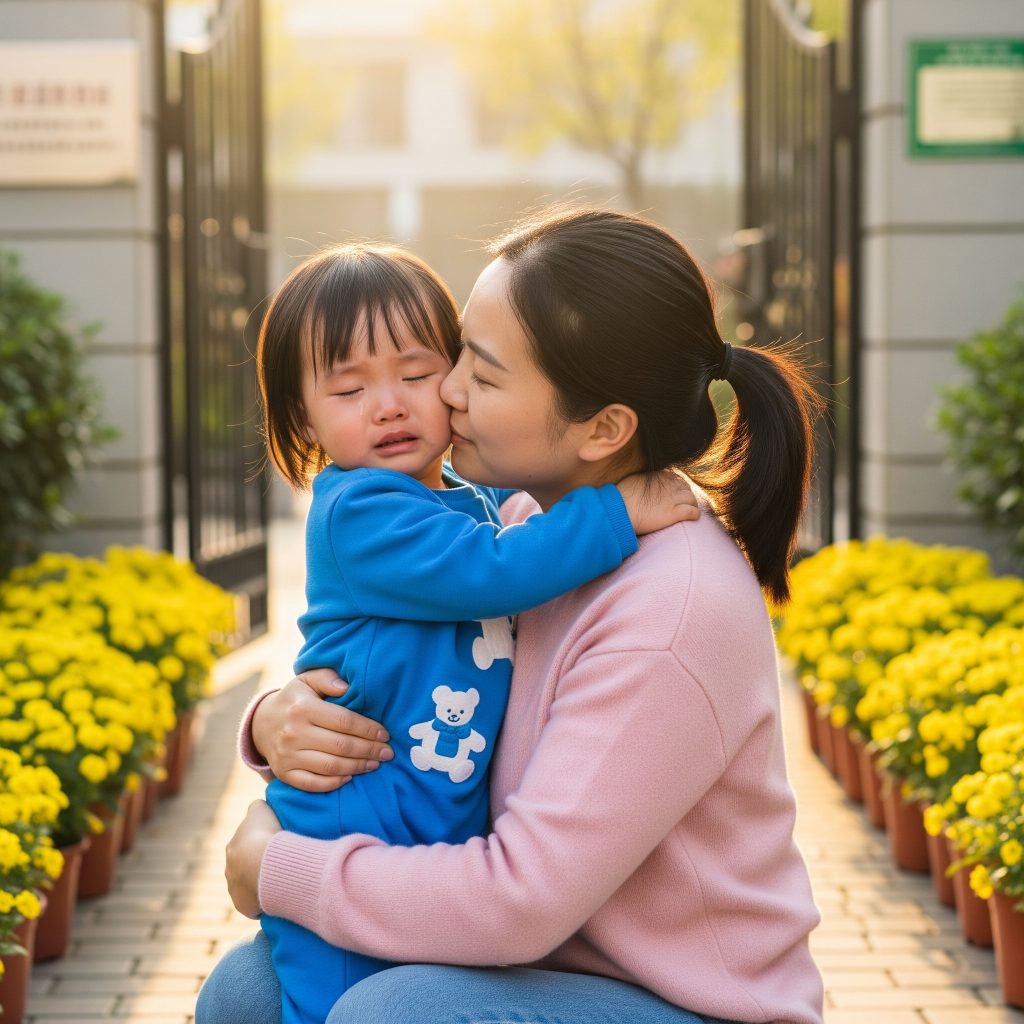
3. Environment shapes language use.
If school is English-dominant, your child may naturally sprinkle in English words even when speaking Mandarin at home. For example: “my friend Ellie哭了,她想妈妈!”
4. Bilingual brains are flexible.
Mixing is not confusion—it’s evidence that your child understands both systems and can move between them with ease. For example: ” Today, 我吃完午餐了,妈妈!“
How Parents Can Respond Properly?
1. Stay Calm and Positive
If your child mixes, don’t panic or scold. Treat it as progress.
Example:
Child: “我要那个 cookie.”
Parent: “你要 cookie,对吗?中文我们说‘饼干’ bǐng gān。你要饼干。”
2. Model the Word Naturally
Repeat the sentence in Mandarin so your child hears the missing word in context.
Child: “我们去 park 吧!”
Parent: “对,我们去公园 gōng yuán。”
3. Offer Choices in Mandarin
Help your child expand by offering two Mandarin options.
Parent: “你想吃苹果还是香蕉 ?”
(Even if the child says “apple,” you can affirm and model: “哦,你要苹果 píng guǒ。”)
4. Create Low-Pressure Practice
Turn tricky words into games: scavenger hunts, picture cards, or playful repetition.
Make it a challenge: “谁先找到一个‘球’?”
“找到红色的 ball!哦,在中文里我们说‘球’qiú。”
5. Celebrate Effort, Not Perfection
Every attempt is valuable. Mixing means your child is trying—and that’s what builds fluency.
Instead of: “不对,不要说 cookie。”
Try: “你尝试用中文说了,真棒!中文里我们说‘饼干’bǐng gān。”
Key Takeaways for Raising a Bilingual Child
- Understanding why kids mix languages helps parents see it’s normal, temporary, and not harmful.
- The best respond is patience, gentle modeling, and encouragement.
- Daily routines give your child more chances to hear and try Mandarin words.
- Over time, vocabulary will expand, and mixing will naturally decrease.
- When Mandarin is linked with warmth and everyday life, your child will feel safe, motivated, and proud to keep speaking more.
Try This Next
- Explore more guidance in our Bilingual Tips collection.
- Read the answers to other common parent worries on our Q&A page.
- Want ready-to-use activities? Check out our Daily Mandarin Boost Toolkit for playful stickers and conversation starters to make Mandarin a natural part of your day.
