Why Love and Connection Are the Secret to Raising a Bilingual Child?
When it comes to raising a bilingual child, many parents worry about choosing the right method: Should I use flashcards? How do I build a language-rich environment? What if my child refuses to speak Chinese?
But here’s a truth that’s often overlooked:
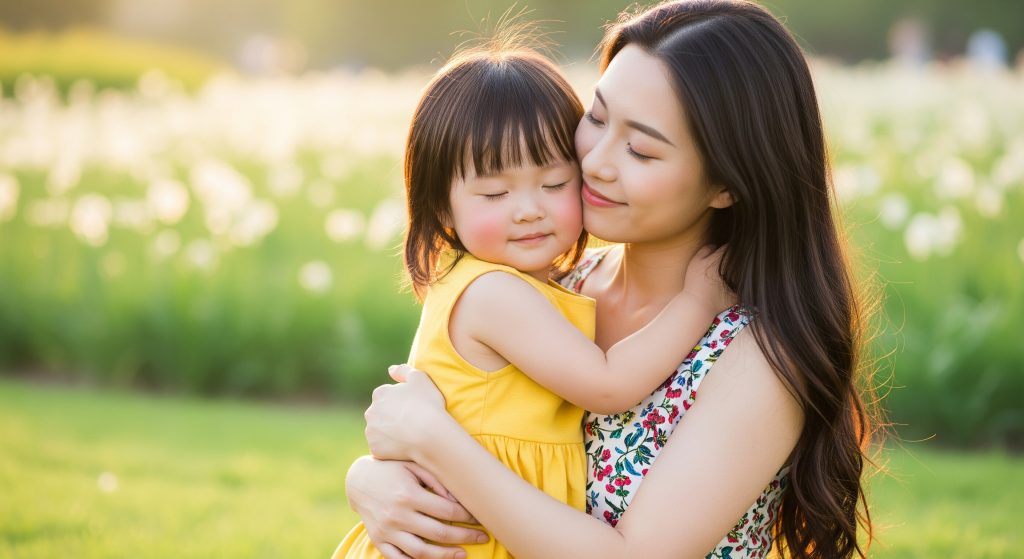
Love and connection are the true foundation of language learning.
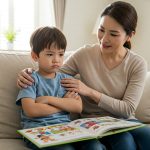
Before worksheets and vocabulary lists, children need emotional safety—and that starts with a loving relationship.
In this post, we’ll explore the powerful role of emotional bonding in bilingual parenting, how it activates a child’s brain, and how to use love as your most effective language tool at home.
Emotional Safety Fuels Language Development
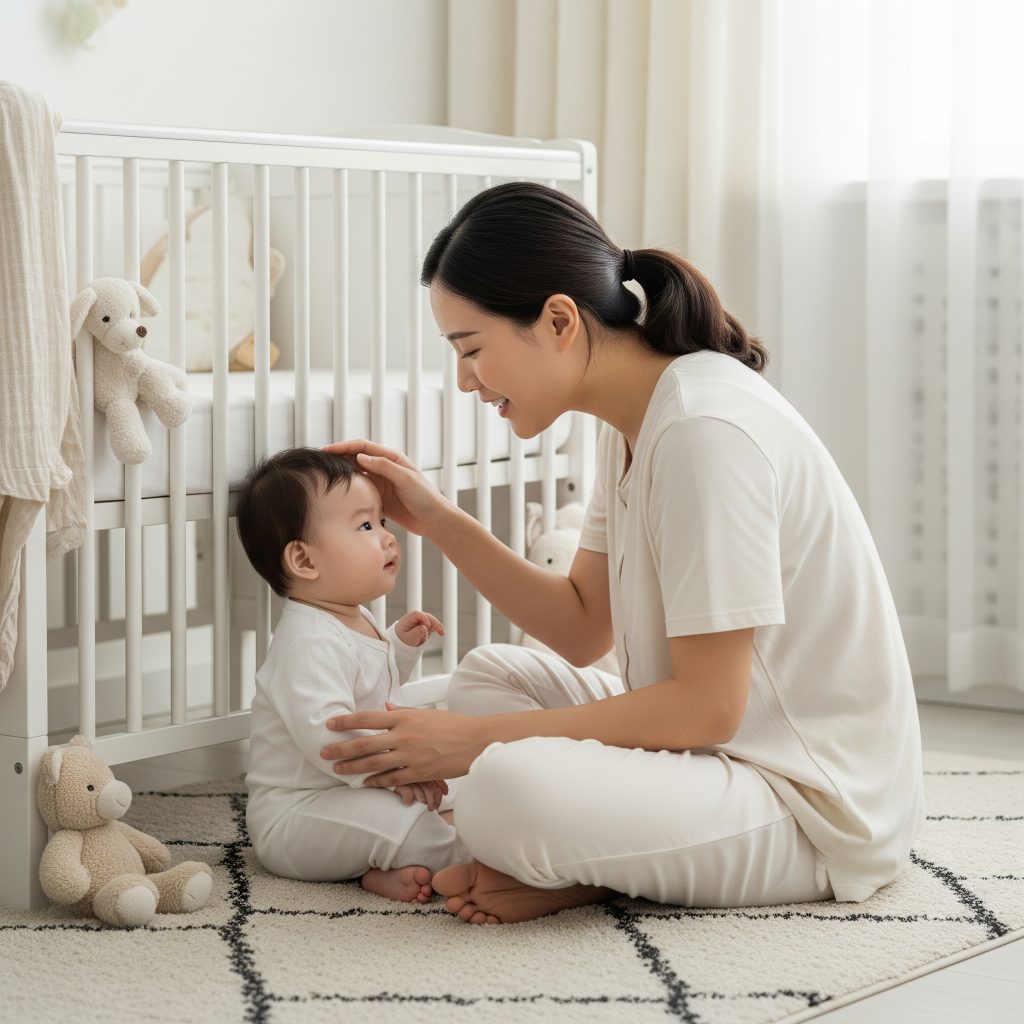
When your child feels safe, seen, and loved, their brain opens up to learn—and language is no exception. In fact, a Harvard study (2018) found that when parents speak to their children in their heritage language, the amygdala—the emotional center of the brain—shows more activation compared to other languages.
This means:
●They are more likely to want to use the language, not resist it
●Kids feel emotionally connected through their family language
●They associate the language with love, comfort, and security
Real Moment from Our Home:
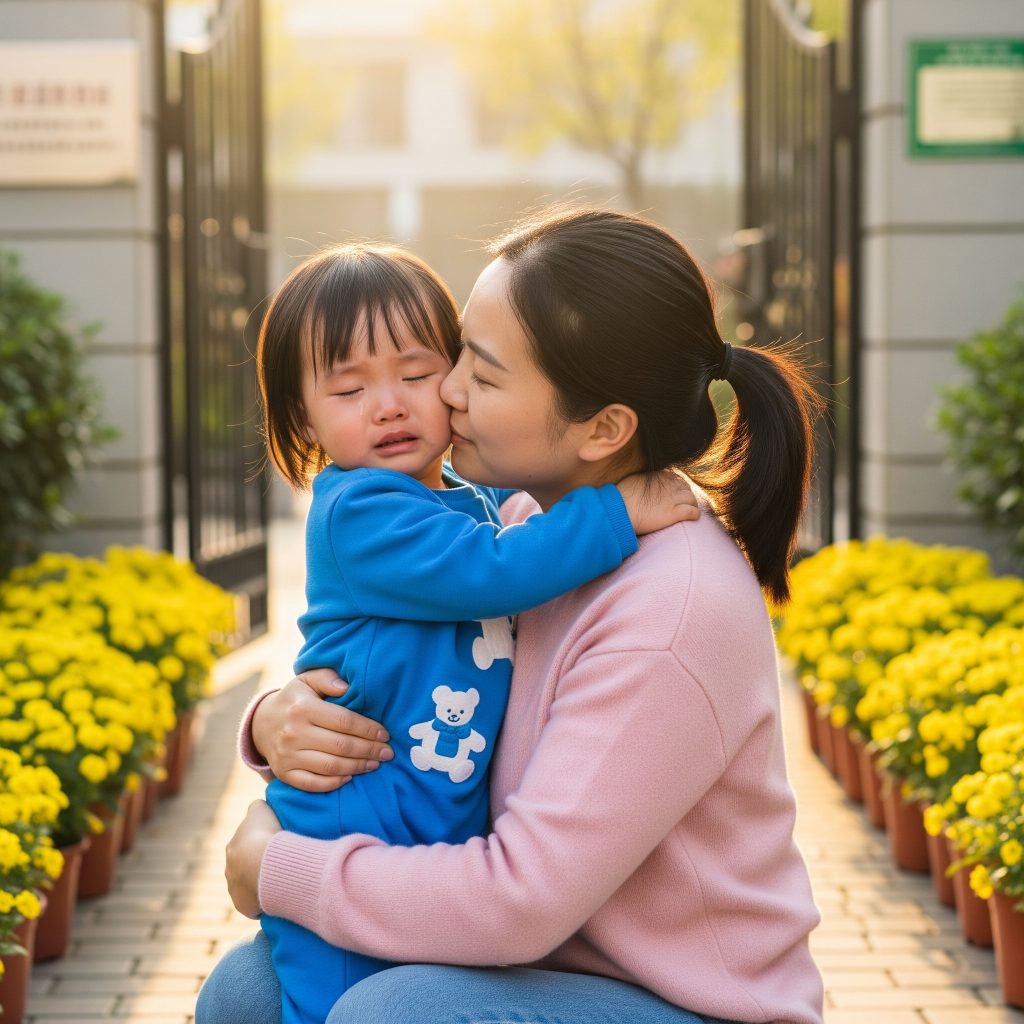
One day, when I picked up my daughter from nursery, she said softly in Mandarin:
“妈妈,我哭了,我想你,我要抱抱。”
“Mama, I cried. I missed you. I need a hug.”
I gently held her and whispered back:
“妈妈也想你。我们现在在一起了。”
“I missed you too. We’re together now.”
That simple moment, spoken in our mother tongue, was full of warmth and trust. She didn’t just speak Chinese—she felt Chinese.
Language Is a Bridge to Culture and Identity
Beyond emotional bonding, language is also a powerful way for children to connect with their roots. For children growing up in multicultural or immigrant families, their home language is not just a communication tool—it’s a cultural anchor.
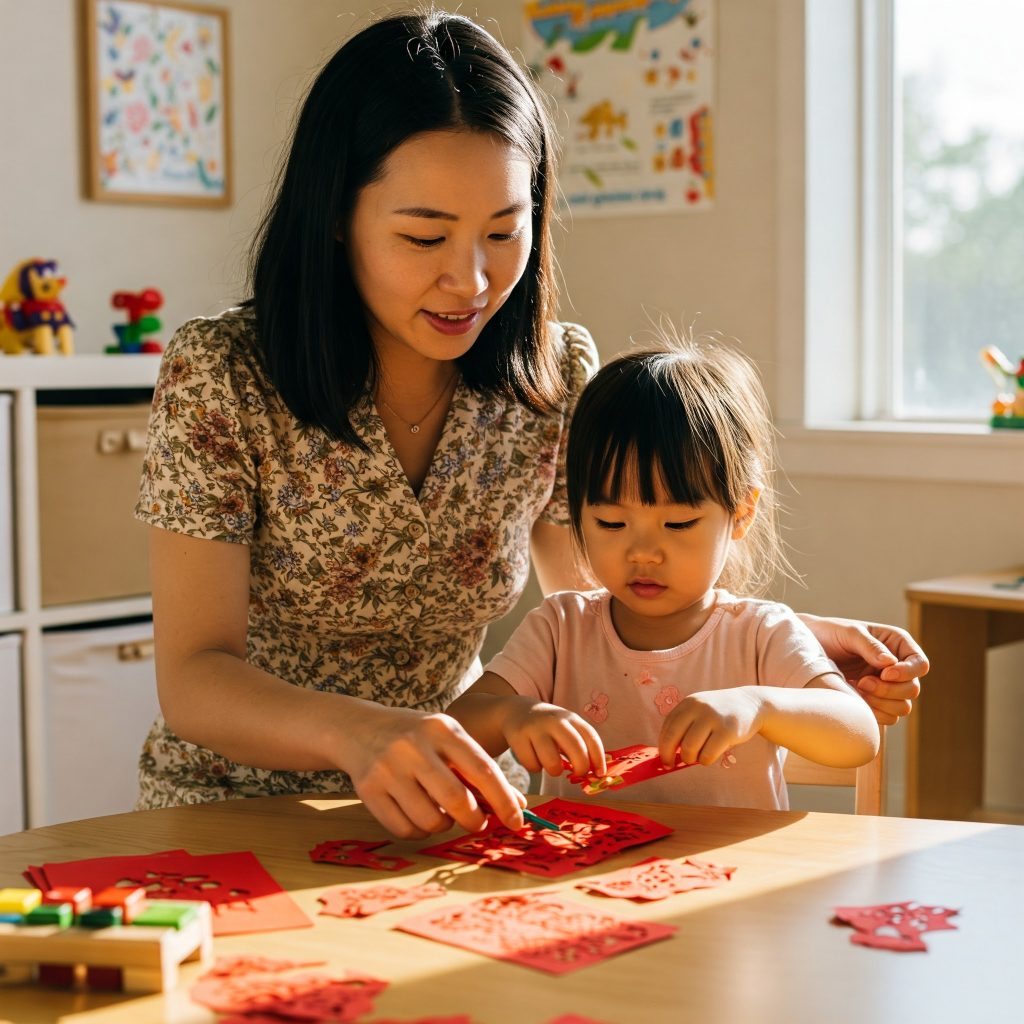
According to a UCL (University College London) study in 2017, bilingual children who maintain their family language:
● Feel more connected to their heritage and extended family
● Are more likely to develop strong cultural identity
● Show higher confidence and self-esteem
A Family Tradition from Our Home:
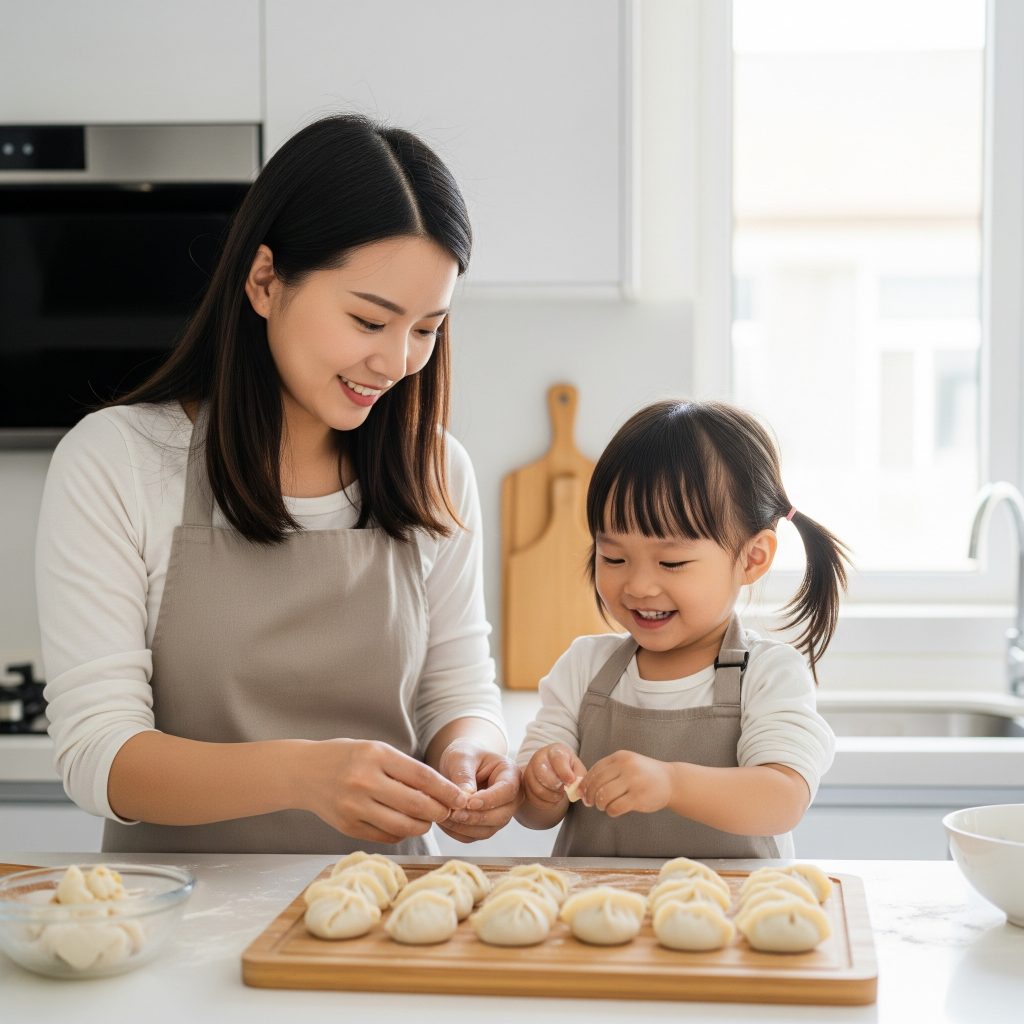
During Chinese New Year, I prepare dumplings with my child. As we press the dough together, I say in Mandarin:
“你知道吗?饺子的形状像元宝,吃饺子是招财进宝的意思。”
“Did you know dumplings look like gold ingots? Eating them means good luck in the new year.”
She pauses and asks:
“那吃糖果呢?” (“What about candy?”)
I smile, “For a sweet and joyful year!”
Through simple conversations like this, my child learns not only new vocabulary, but also why our traditions matter.
Language Is Not Just in the Brain—It’s in the Heart
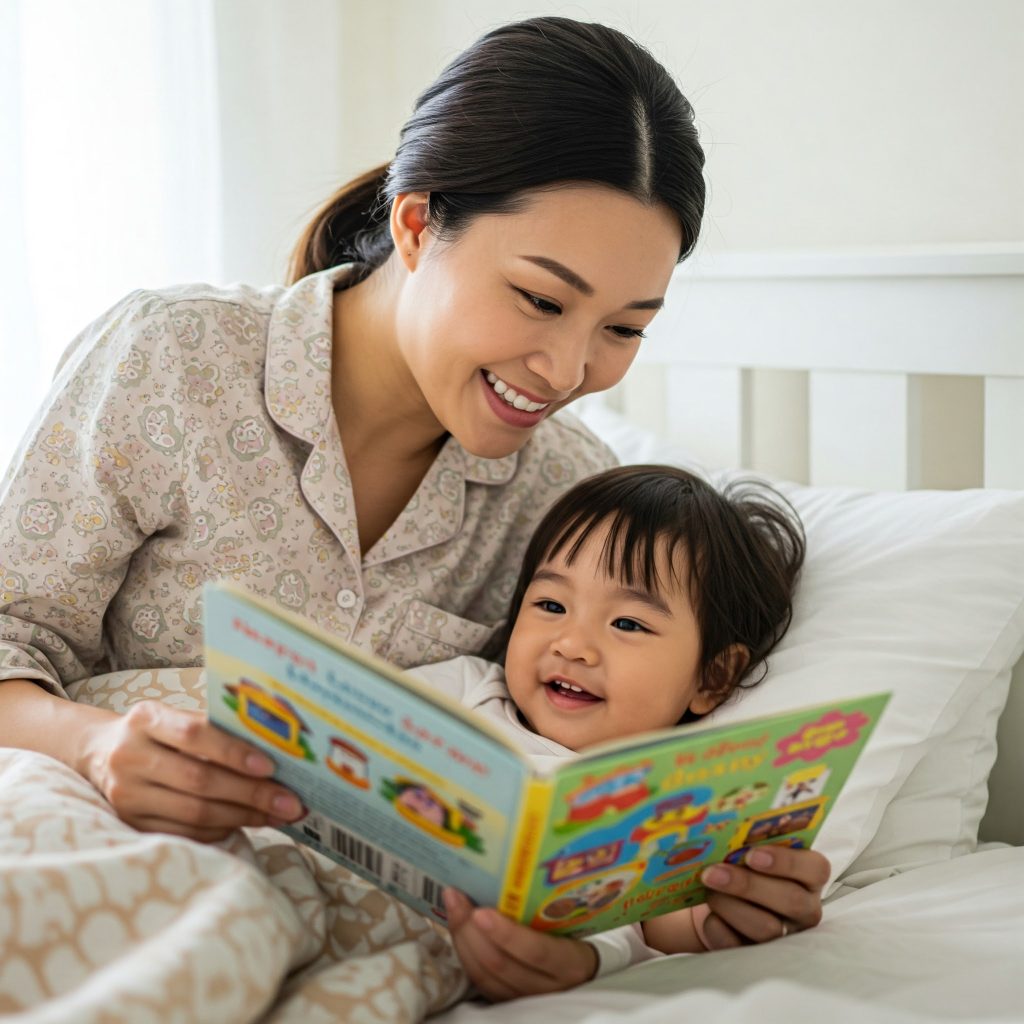
When a child hears “I love you” in their home language, it carries a different emotional weight than in a second language.
- Lullabies, bedtime stories, even silly jokes in the family tongue create moments of joy and safety
- Tone, rhythm, and cultural expressions often can’t be fully translated
Even if your child doesn’t fully understand every word, they understand your love.
One Chinese parent once shared:
“When I sing ‘Wàipó Qiáo’ (an old Chinese lullaby) to my son when he is little, he doesn’t know what the words mean—but he always snuggles quietly in my arms.”
That’s the unspoken power of a mother tongue.
Takeaways: What You Can Do Today
- Prioritize emotional connection over perfection
Don’t stress about grammar—speak with warmth and love. Let your child feel the heart of the language. - Use your family language in tender moments
Bedtime, hugs, cuddles, and comforting are perfect times for using Chinese. - Bring culture into your daily life
Tell stories from your childhood. Celebrate holidays with traditional food and phrases. Let language be part of your family’s rhythm. - If your Chinese is limited—start with simple phrases
It’s okay! Even a few key expressions like “抱抱 (hug)” or “晚安 (good night)” can make a big difference.
Final Thoughts
Raising a bilingual child isn’t about perfection—it’s about connection. When you speak with love in your family language, you’re giving your child more than words.
You’re giving them roots, identity, and emotional strength to thrive in a multilingual world.
More Tips On Bilingual Parenting




Leave a Reply